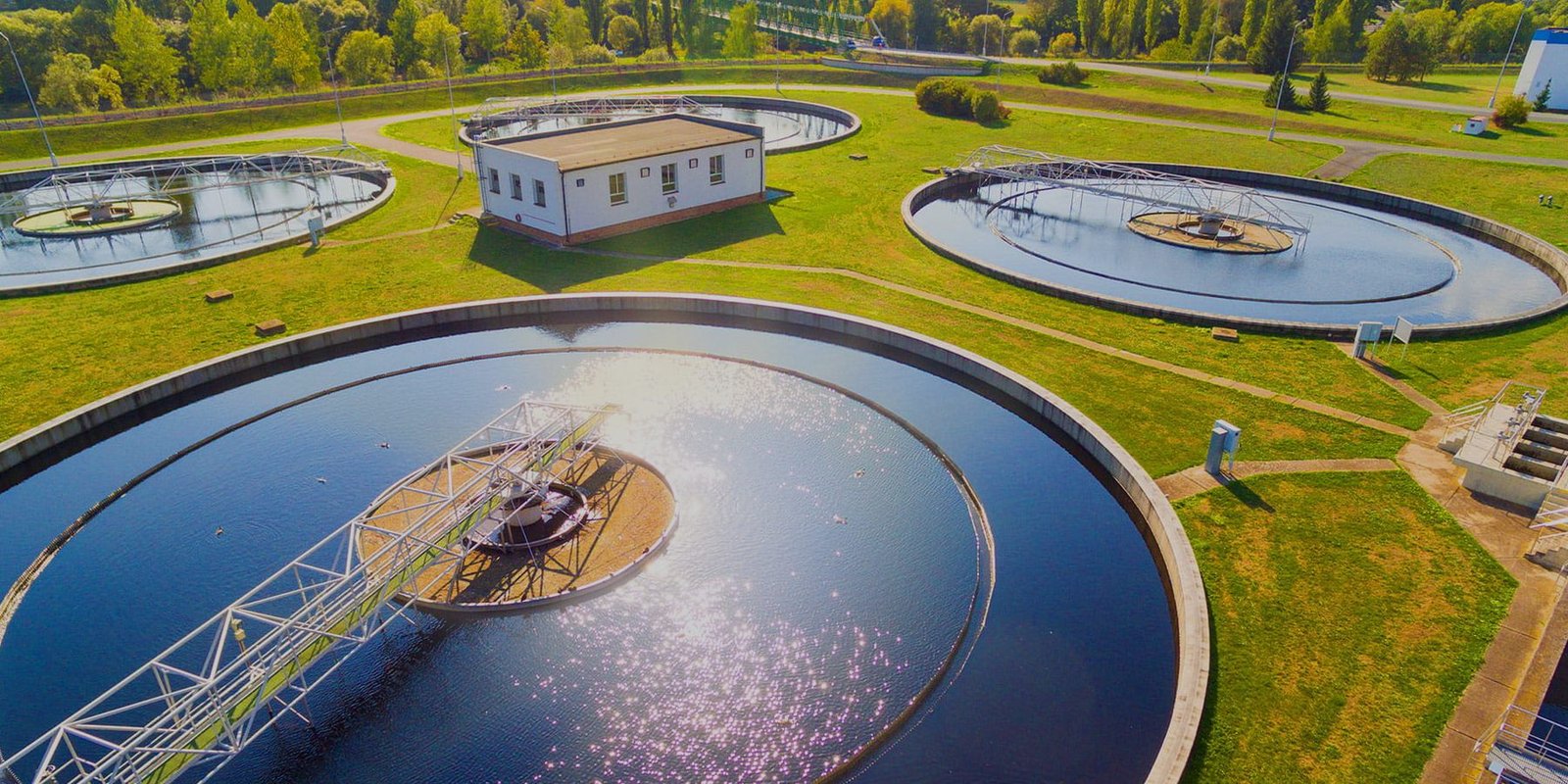
Drinking Water Bottling Plants
Product water treatment and packaging line effluent, treated to the standard the product demands.

Industries Served
Membrane-based treatment that turns process effluent back into water you can wash and clean with.
Overview
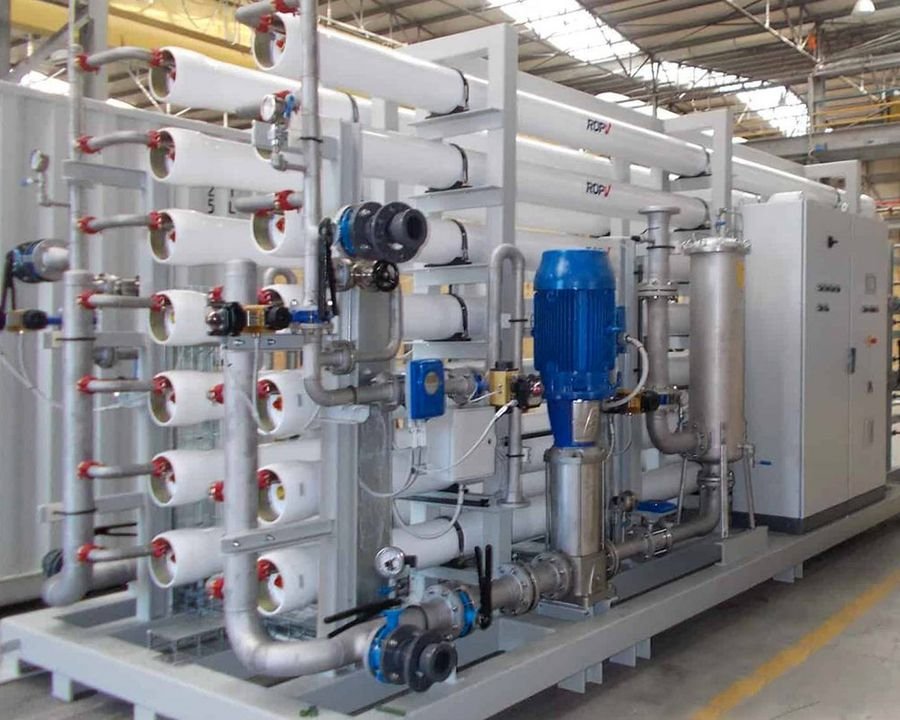
Using the latest membrane technology, Ion Agua designs efficient solutions for the treatment of wastewater generated by the food and beverage industry. After treatment, this water can be reused for washing and clean-in-place (CIP) purposes.
Typical return on investment on the wastewater systems designed by Ion Agua varies between two and four years — because the water recovered offsets both the intake tariff and the trade effluent charge at the same time.
Ion Agua is also a pioneer in helping numerous underprivileged populations who do not have safe drinking water facilities, and prides itself upon the installation of 180+ RO drinking water plants across India.
Sub-sectors
Product water treatment and packaging line effluent, treated to the standard the product demands.
High-COD, variable-strength effluent with strong seasonal load swings.
Fats, proteins and lactose loads that need FOG removal before biology.
Wash-down water, sugars and organic solids recovered for reuse.
Clean-in-place rinse water recovered and returned to service.
Consistent low-TDS water produced on site for use in the product itself.
The Challenge
Our Approach
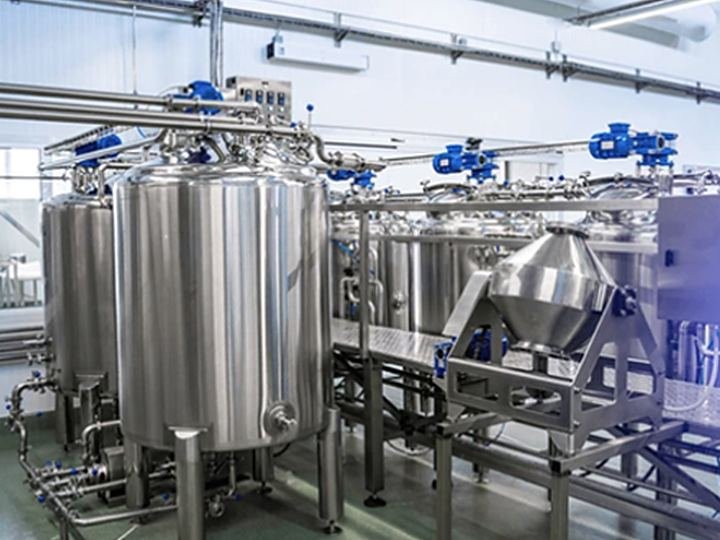
Equalise the flow and remove gross solids so the plant sees a steady load rather than shift-by-shift shocks.
Dissolved air flotation lifts fats, oils and greases out before they reach the biological stage.
MBR or MBBR converts the dissolved organic load, sized against measured COD rather than nominal figures.
Ultrafiltration produces a permeate free of suspended solids and bacteria.
Reverse osmosis and disinfection bring the water to the standard required for washing and CIP.
In the field
Across the food and beverage systems Ion Agua has designed, typical return on investment falls between two and four years. The recovered water offsets both the cost of buying fresh water and the cost of discharging effluent, so the saving lands twice on the same volume.
Beyond the balance sheet, reuse insulates production from water restrictions — which for a food producer is a continuity argument as much as a cost one.
Contact Us
Send us the stream and the target. Our engineers will come back with a process route, an indicative footprint and a budget.